
Buy anything from 5,000+ international stores. One checkout price. No surprise fees. Join 2M+ shoppers on Desertcart.
Desertcart purchases this item on your behalf and handles shipping, customs, and support to Indonesia.
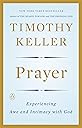
Prayer: Experiencing Awe and Intimacy with God [Keller, Timothy] on desertcart.com. *FREE* shipping on qualifying offers. Prayer: Experiencing Awe and Intimacy with God Review: Must Read - I confess. I struggle with daily, personal prayer. When I do prayer, I fight to concentrate and when I do concentrate I often feel like my prayers are rote. It was encouraging to hear Tim Keller share his own struggle with prayer and the way he now has experienced God through a daily prayer life. โThe greatness of prayer is nothing but an extension of the greatness and glory of God in our livesโ (26). So prayer for Keller and many before him in the Reformed tradition is a reflection of who God is (see 45). Prayer begins by examining two major streams of prayer in the broad Christian traditionโmystical and prophetic. Iโve heard murmurs for years about Keller and mysticism, but regularly in Prayer Keller is critical of mysticism (see 43, 59, and 150). I also wanted to point out that when discussing meditation Keller centers the practice on Jesus. โMeditate on Jesus, who is the ultimate meditation of Godโ (164 see also 177)โa clear blow to the kind of mindless meditation in some mysticism. He argues prophetic prayer is closer to what we see in Scripture, but also doesnโt reject mystical experiences (not the same as mysticism). Keller notes, โ[P]rayer is ultimately a verbal response of faith to a transcendent Godโs Word and his grace, not an inward descent to discover we are one with all things and God. . . . [However,] we need to recognize that prayer also can lead regularly to personal encounter with God, which can be indeed a wondrous, mysterious, awe-filled experienceโ (43 see also 66 and 179-85). This balance of biblical, prophetic rootedness in knowledge of God and a certain expectation of โa wondrous, mysterious, awe-filled experienceโ with God fills the pages of Prayer. After laying this foundation, Keller explores what prayer should look likeโthe how of prayer. In this regard especially, Keller paints skillfully on canvas of the Reformed tradition. Primarily the how is rooted in Scripture (64) and discovered through the Psalms, the Reformers broadly as expositors of Scripture, and the prayer life of Jesus. So Prayer can described most aptly as an experiential theology of prayer through the Reformed tradition. This historical rootedness is something sorely missing in many theologies today. It was refreshing to survey how those before us prayedโSt. Augustine, John Calvin, Martin Luther, and John Owenโand not just their teaching, but their practice. For instance, Keller shows John Calvinโs rules for prayer: โCalvinโs first rule for prayer is the principle of reverence or the โfear of Godโโ (97). โCalvinโs second rule for prayer is โthe sense of need that excludes all unrealityโโ (99). โHis third rule is that we should have a submissive trust of Godโ (101). โ[The fourth rule is praying] with confidence and hopeโ (101). โThe fifth rule is actually a major qualification of the very word rule. He says: โWhat I have set forth on the four rules of right praying is not so rigorously required that God will reject those prayers in which he finds neither perfect faith nor repentance, together with a warmth of zeal and petition rightly conceivedโโ (103). Chapter eight โThe Prayer of Prayersโ ministered to me most personally. Keller here exposits the Lordโs prayer and teases out the full width and breadth of what Jesus sought to teach in it. Two observation were most helpful. First, as we pray โOur Fatherโ we are not praying to a distant deity, but to a committed and loving Father who we have a relational communion with because of Jesus Christ. Also, he observes that praying for our daily bread also reminds us that we must not take more than our daily bread so that others might also receive their daily bread. โTherefore, to pray โgive usโall the people of our landโdaily breadโ is to pray against โwanton exploitationโ in business, trade, and labor, which โcrushes the poor and deprives them of their daily breadโ (114). Prayer ends with the habitusโthe daily doing of prayer. He gives four: (1) awe, (2) intimacy, (3) struggle, and (4) practice. In awe, Keller reminds us that we must praise God for who he is, just believing he is great is not enough. We are what we love. In intimacy, Keller leans hard on the forgiveness of sin we have in Christ. He emphasizes its freeness, while also reminding us to kill sin via the instruction of John Owen who encourages Christians to not kill sin with the law, but โโby the spirit of the gospelโโ (217). In struggle, Keller reminds us that many of our prayers our answered by changing our own hearts or giving us the ultimate good (the prayer we would have offered had we known everything God knows). He ends again with Jesus. โWe know that God will answer us when we call โmy Godโ because God did not answer Jesus when he made the same petition on the crossโ (239). Good news indeed. In practice, Keller connects daily prayer to the life of the church, offers helpful tips, and encourages us that communion with God is within our grasp. Kellerโs Prayer was a one of my favorite books of the year. Its depth and breadth will be invaluable for those struggling to pray for two reasons. First, Keller speaks experientially and theologicallyโa balance through out. Second, he also shows that prayer grows out of Scripture and also points to the fathers of our faith as our teachers and guides. A rare combination for any book dealing with such a practical and important topic. Review: I have read a great number of books on the topic of prayer from ... - I have read a great number of books on the topic of prayer from a number of different time periods. The basic breakdown for each of them has pretty much been 1) prayer is important 2) you should pray 3) pray the breakdown of the Lord's prayer 4) practical and specific examples of prayer. It is very rare that you have an author even discuss what exactly is prayer for more than one sentence to one paragraph. The problem being, that if you struggle with prayer from the basic foundation of a definition it's really hard to grasp even the first rung in understanding it. That being said, Keller's book finally breaks the mold. He covers a large number of items concerning prayer and even starts with a very personal story of his own struggle with prayer. The fact that he says it took him two full years to develop a good prayer life is very encouraging. Of course that also means there wouldn't be anything in the book that would flip a switch and make you a George Mรผller overnight. The good thing about Keller's writing is that he tends to build upon his chapters. He covers topics like what prayer is but the next chapters go into more depth about it. Chapters 6 and 7 were very important in my further understanding prayer - of course he uses people like Martin Luther and John Calvin really put it into perspective. Reading these excerpts really drove home the need to read things like Calvin's Institutes and other Reformed writings in the future. Keller handles things like the sovereignty of God in relation to prayer (if God is sovereign why should I pray at all). A book that I'm sure Keller uses is A.W. Pink's book on the Sovereignty of God that covers this as well. There are some really helpful application sections of the book in the latter sections. The biggest plus that Keller had going for him was he always kept God in primary focus and was always sure to lovingly hip-check questions that put man at the center of the question. Why? Because this leads to a lot of misunderstandings on the topic and causes issues people might have on the topic of prayer. It was also nice to see that Keller didn't refer to prayer as only a means of changing our hearts and minds as some authors tend to do. Keller does have a few quirks in his book that come out of left field and don't quite fit with the flow. One major one concern an almost metaphysical aspect of prayer in general and a treatment of mystical forms of prayer and almost legalistic forms. Also, while Keller does a descent job of building upon his chapters and themes, there are times when his flow of writing doesn't always hit its mark. This might cause some to almost get lost in what they're reading. Overall, this book helped me immensely. I would recommend it to anyone who is struggling with their prayer life or a new Christian looking to start one. It would also be worthwhile for those who have it down to do a wellness check on theirs to see if they are bionically sound or can improve upon it. While not a tough book in terms of theological terms, this is a book whose reading pace should be taken at a slow pace for good, sanctifying reasons. Final Grade - A


| Best Sellers Rank | #5,643 in Books ( See Top 100 in Books ) #45 in Christian Bible Study (Books) #51 in Christian Self Help |
| Customer Reviews | 4.7 4.7 out of 5 stars (4,136) |
| Dimensions | 0.9 x 5.2 x 8 inches |
| ISBN-10 | 0143108581 |
| ISBN-13 | 978-0143108580 |
| Item Weight | 8.8 ounces |
| Language | English |
| Print length | 336 pages |
| Publication date | January 26, 2016 |
| Publisher | Penguin Books |
| Reading age | 18 years and up |
M**S
Must Read
I confess. I struggle with daily, personal prayer. When I do prayer, I fight to concentrate and when I do concentrate I often feel like my prayers are rote. It was encouraging to hear Tim Keller share his own struggle with prayer and the way he now has experienced God through a daily prayer life. โThe greatness of prayer is nothing but an extension of the greatness and glory of God in our livesโ (26). So prayer for Keller and many before him in the Reformed tradition is a reflection of who God is (see 45). Prayer begins by examining two major streams of prayer in the broad Christian traditionโmystical and prophetic. Iโve heard murmurs for years about Keller and mysticism, but regularly in Prayer Keller is critical of mysticism (see 43, 59, and 150). I also wanted to point out that when discussing meditation Keller centers the practice on Jesus. โMeditate on Jesus, who is the ultimate meditation of Godโ (164 see also 177)โa clear blow to the kind of mindless meditation in some mysticism. He argues prophetic prayer is closer to what we see in Scripture, but also doesnโt reject mystical experiences (not the same as mysticism). Keller notes, โ[P]rayer is ultimately a verbal response of faith to a transcendent Godโs Word and his grace, not an inward descent to discover we are one with all things and God. . . . [However,] we need to recognize that prayer also can lead regularly to personal encounter with God, which can be indeed a wondrous, mysterious, awe-filled experienceโ (43 see also 66 and 179-85). This balance of biblical, prophetic rootedness in knowledge of God and a certain expectation of โa wondrous, mysterious, awe-filled experienceโ with God fills the pages of Prayer. After laying this foundation, Keller explores what prayer should look likeโthe how of prayer. In this regard especially, Keller paints skillfully on canvas of the Reformed tradition. Primarily the how is rooted in Scripture (64) and discovered through the Psalms, the Reformers broadly as expositors of Scripture, and the prayer life of Jesus. So Prayer can described most aptly as an experiential theology of prayer through the Reformed tradition. This historical rootedness is something sorely missing in many theologies today. It was refreshing to survey how those before us prayedโSt. Augustine, John Calvin, Martin Luther, and John Owenโand not just their teaching, but their practice. For instance, Keller shows John Calvinโs rules for prayer: โCalvinโs first rule for prayer is the principle of reverence or the โfear of Godโโ (97). โCalvinโs second rule for prayer is โthe sense of need that excludes all unrealityโโ (99). โHis third rule is that we should have a submissive trust of Godโ (101). โ[The fourth rule is praying] with confidence and hopeโ (101). โThe fifth rule is actually a major qualification of the very word rule. He says: โWhat I have set forth on the four rules of right praying is not so rigorously required that God will reject those prayers in which he finds neither perfect faith nor repentance, together with a warmth of zeal and petition rightly conceivedโโ (103). Chapter eight โThe Prayer of Prayersโ ministered to me most personally. Keller here exposits the Lordโs prayer and teases out the full width and breadth of what Jesus sought to teach in it. Two observation were most helpful. First, as we pray โOur Fatherโ we are not praying to a distant deity, but to a committed and loving Father who we have a relational communion with because of Jesus Christ. Also, he observes that praying for our daily bread also reminds us that we must not take more than our daily bread so that others might also receive their daily bread. โTherefore, to pray โgive usโall the people of our landโdaily breadโ is to pray against โwanton exploitationโ in business, trade, and labor, which โcrushes the poor and deprives them of their daily breadโ (114). Prayer ends with the habitusโthe daily doing of prayer. He gives four: (1) awe, (2) intimacy, (3) struggle, and (4) practice. In awe, Keller reminds us that we must praise God for who he is, just believing he is great is not enough. We are what we love. In intimacy, Keller leans hard on the forgiveness of sin we have in Christ. He emphasizes its freeness, while also reminding us to kill sin via the instruction of John Owen who encourages Christians to not kill sin with the law, but โโby the spirit of the gospelโโ (217). In struggle, Keller reminds us that many of our prayers our answered by changing our own hearts or giving us the ultimate good (the prayer we would have offered had we known everything God knows). He ends again with Jesus. โWe know that God will answer us when we call โmy Godโ because God did not answer Jesus when he made the same petition on the crossโ (239). Good news indeed. In practice, Keller connects daily prayer to the life of the church, offers helpful tips, and encourages us that communion with God is within our grasp. Kellerโs Prayer was a one of my favorite books of the year. Its depth and breadth will be invaluable for those struggling to pray for two reasons. First, Keller speaks experientially and theologicallyโa balance through out. Second, he also shows that prayer grows out of Scripture and also points to the fathers of our faith as our teachers and guides. A rare combination for any book dealing with such a practical and important topic.
P**.
I have read a great number of books on the topic of prayer from ...
I have read a great number of books on the topic of prayer from a number of different time periods. The basic breakdown for each of them has pretty much been 1) prayer is important 2) you should pray 3) pray the breakdown of the Lord's prayer 4) practical and specific examples of prayer. It is very rare that you have an author even discuss what exactly is prayer for more than one sentence to one paragraph. The problem being, that if you struggle with prayer from the basic foundation of a definition it's really hard to grasp even the first rung in understanding it. That being said, Keller's book finally breaks the mold. He covers a large number of items concerning prayer and even starts with a very personal story of his own struggle with prayer. The fact that he says it took him two full years to develop a good prayer life is very encouraging. Of course that also means there wouldn't be anything in the book that would flip a switch and make you a George Mรผller overnight. The good thing about Keller's writing is that he tends to build upon his chapters. He covers topics like what prayer is but the next chapters go into more depth about it. Chapters 6 and 7 were very important in my further understanding prayer - of course he uses people like Martin Luther and John Calvin really put it into perspective. Reading these excerpts really drove home the need to read things like Calvin's Institutes and other Reformed writings in the future. Keller handles things like the sovereignty of God in relation to prayer (if God is sovereign why should I pray at all). A book that I'm sure Keller uses is A.W. Pink's book on the Sovereignty of God that covers this as well. There are some really helpful application sections of the book in the latter sections. The biggest plus that Keller had going for him was he always kept God in primary focus and was always sure to lovingly hip-check questions that put man at the center of the question. Why? Because this leads to a lot of misunderstandings on the topic and causes issues people might have on the topic of prayer. It was also nice to see that Keller didn't refer to prayer as only a means of changing our hearts and minds as some authors tend to do. Keller does have a few quirks in his book that come out of left field and don't quite fit with the flow. One major one concern an almost metaphysical aspect of prayer in general and a treatment of mystical forms of prayer and almost legalistic forms. Also, while Keller does a descent job of building upon his chapters and themes, there are times when his flow of writing doesn't always hit its mark. This might cause some to almost get lost in what they're reading. Overall, this book helped me immensely. I would recommend it to anyone who is struggling with their prayer life or a new Christian looking to start one. It would also be worthwhile for those who have it down to do a wellness check on theirs to see if they are bionically sound or can improve upon it. While not a tough book in terms of theological terms, this is a book whose reading pace should be taken at a slow pace for good, sanctifying reasons. Final Grade - A
C**N
I love the quote โpraying is continuing a conversation that God has started through his Word and his grace, which eventually becomes a full encounter with Him.โ Tim Keller brings balance to a ritualistic or overly meditative approach we may have towards prayer, drawing from past figures such as Augustine, Luther, and Calvin to bring us back to the essence of prayer. He looks for fresh ways of taking wisdom from the past and offers some practical guidelines along the way. This book is a must-have for those who wish to encounter God in their daily devotionals.
J**S
Husband very happy with it.
H**S
Tim Keller really discusses several aspects of prayer life: history of prayer, non-christian view on prayer, why pray, to who and how. I really like this book, although the English is quite difficult for a non-native speaker like me. Keep a translation app or book at hand.
J**C
As always Tim Keller is thorough and insightful. His research is wide ranging and draws on many traditions. I enjoyed some of the commentaries given in the appendices which help my understanding and appreciation of the insight of godly men and women over many centuries. He argues cogently, does not prescribe but suggest, allowing the reader to appreciate and understand. The main theme through the book is showing how prayer is essential to our relationship with God. Disappointment, periods of drought and the biblical background to complaint and lamentation are thoughtfully explored. I was left with a bigger sense of prayer and of the wonderful God we pray to - so much bigger and deeper than I can imagine, and a sense of the huge privilege of being able to communicate with Him and He speak to me where I am each day. Throughout the centrality of Jesus shines, we see the Holy Spirit helping and guiding, and the richness of Our Lordโs Prayer and the Psalms. A modern classic.
A**Y
I will never stop recommending this book to everyone I talk to. I find Keller's writing (especially in this book) to be philosophical, logical, intelligent and compelling. It's one of those books that transform, that change the colour of your mind, and is so useful for daily contemplation that I find myself always recalling it, or rereading it. Do yourself a favour. This is the book for you.
Trustpilot
3 weeks ago
2 months ago